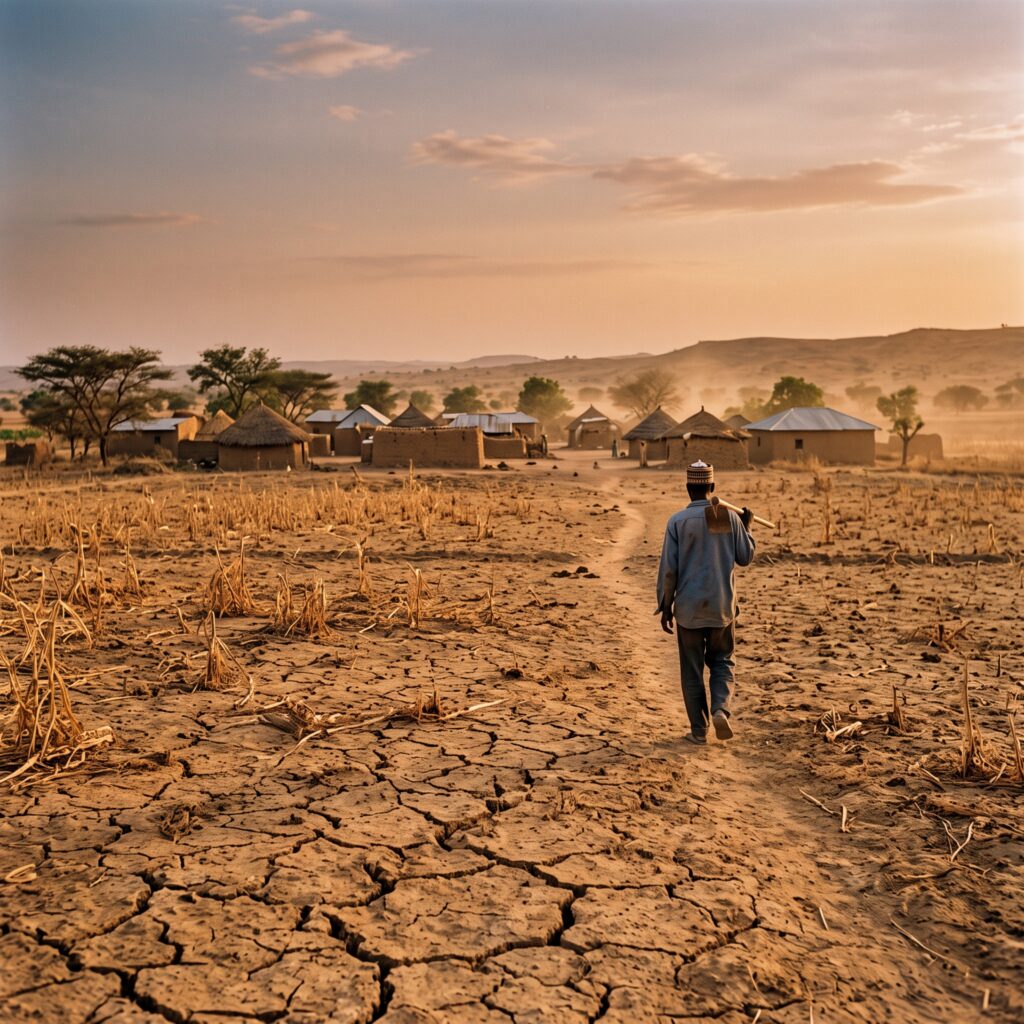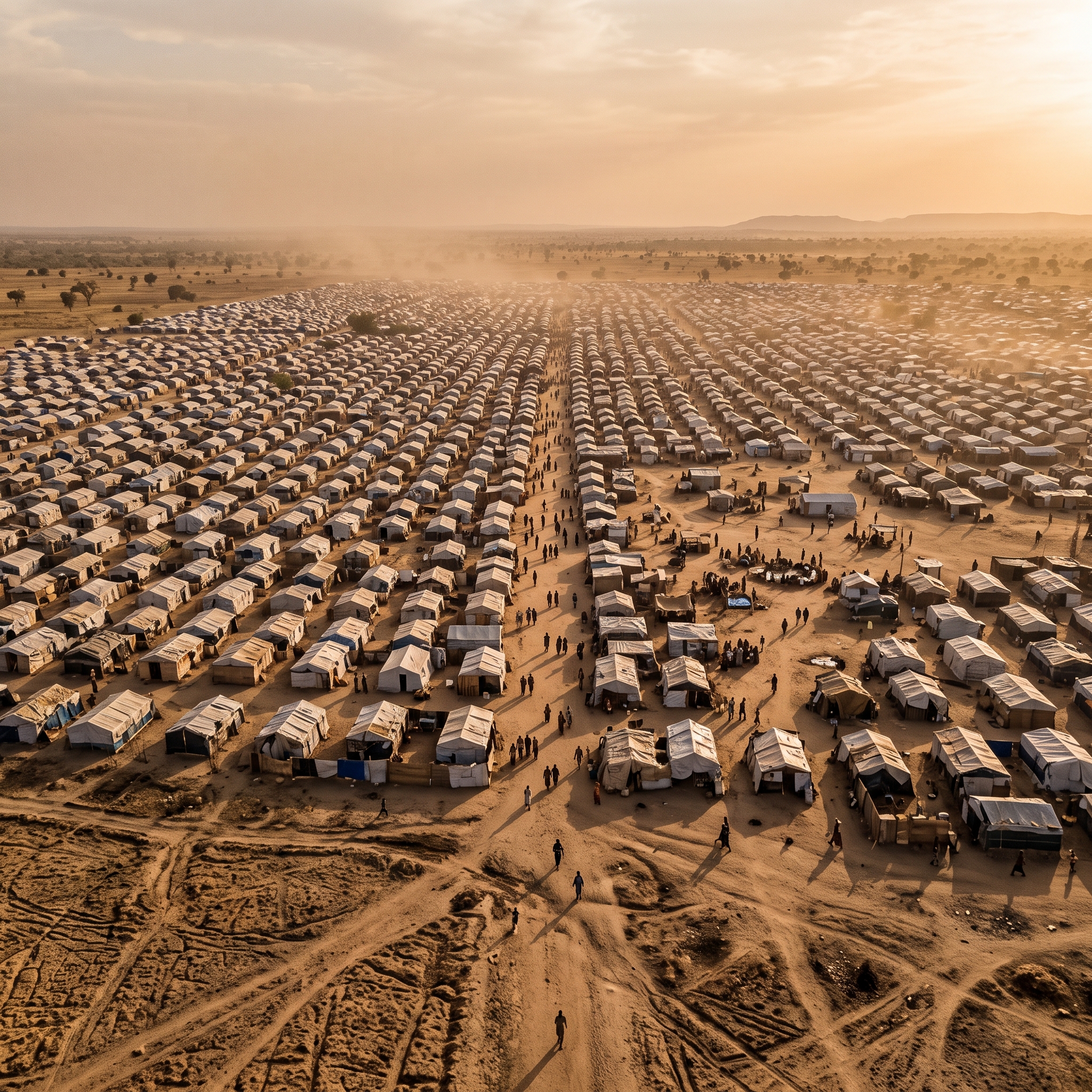
Northern Nigeria is facing its worst hunger crisis in nearly a decade. According to the United Nations World Food Programme (WFP), more than 17 million people across nine conflict-affected states are now experiencing crisis, emergency, or catastrophic levels of food insecurity — a rise of almost two million people since the last assessment. Nationwide, the number of food-insecure Nigerians has climbed to an estimated 36.2 million, making this one of the most severe humanitarian emergencies the country has faced in years.
What’s Driving the Crisis
1. Escalating Conflict Insurgent attacks, previously concentrated mainly in Nigeria’s northeast, have now expanded across a much broader region. This spread is driving farmers from their land, restricting access to fields during crucial planting and harvest periods, and displacing entire communities. Borno State remains the heart of the crisis, with over three million people experiencing acute food insecurity, including more than 750,000 facing severe hunger and upwards of 10,000 enduring catastrophic famine conditions.