Introduction
Elephants remain the largest land animals on Earth, and 2026 has brought a mixed but genuinely newsworthy update on their status. For the first time, conservationists have separate, reliable population figures for Africa’s two elephant species, a major regional count shows encouraging stability in southern Africa, and welfare campaigns are chalking up wins in Asia’s tourism industry. At the same time, poaching, habitat loss, and human-elephant conflict continue to threaten both species in different ways. Here’s where things stand.
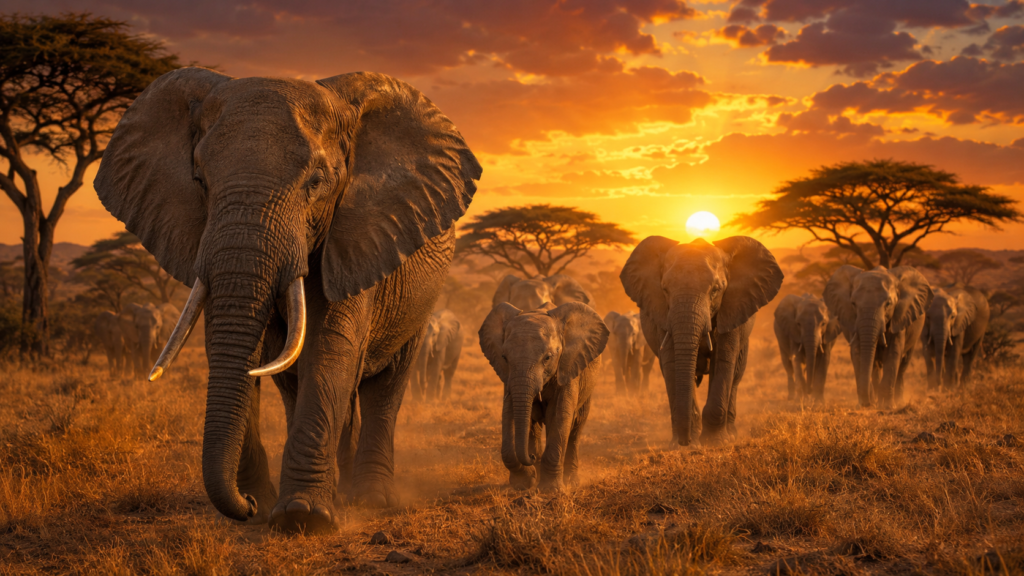
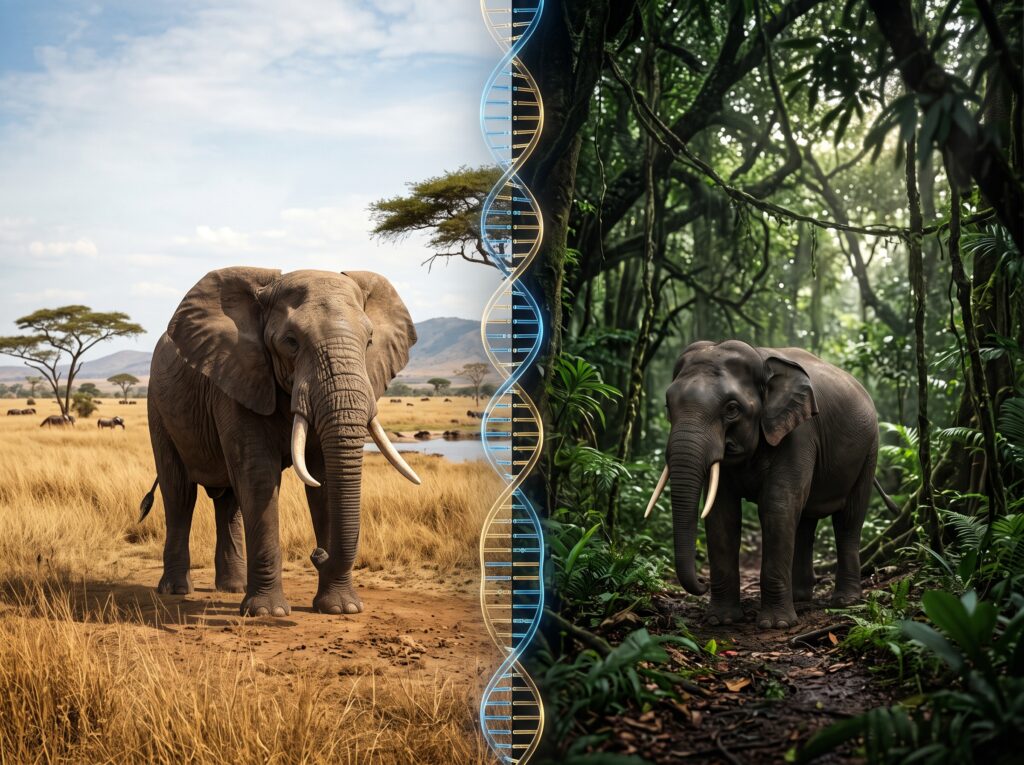
The result: researchers now estimate more than 145,000 African forest elephants live in the continent’s rainforests, with Central Africa holding the overwhelming majority of that population and Gabon alone hosting roughly 95,000 individuals.
Savanna elephants, meanwhile, got their own encouraging data point. A major aerial survey of the Kavango–Zambezi Transfrontier Conservation Area — a protected network spanning Angola, Botswana, Namibia, Zambia, and Zimbabwe — found a stable, slightly increased population of roughly 227,900 elephants, up from around 217,000 a decade earlier, confirming the region as the species’ largest stronghold.
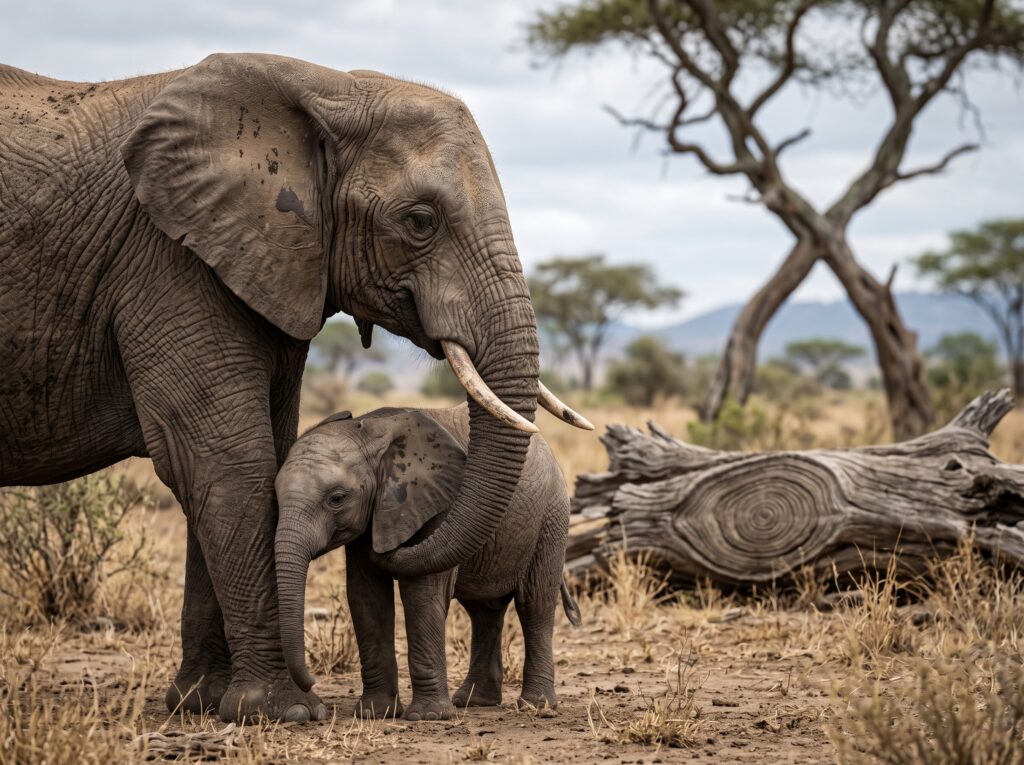
Forest elephants remain in a more precarious position overall. A 2026 IUCN assessment reflects improved survey methods rather than genuine population growth, and researchers stress the species remains Critically Endangered under continued pressure from poaching and habitat destruction
Two Species, Two Very Different Pictures
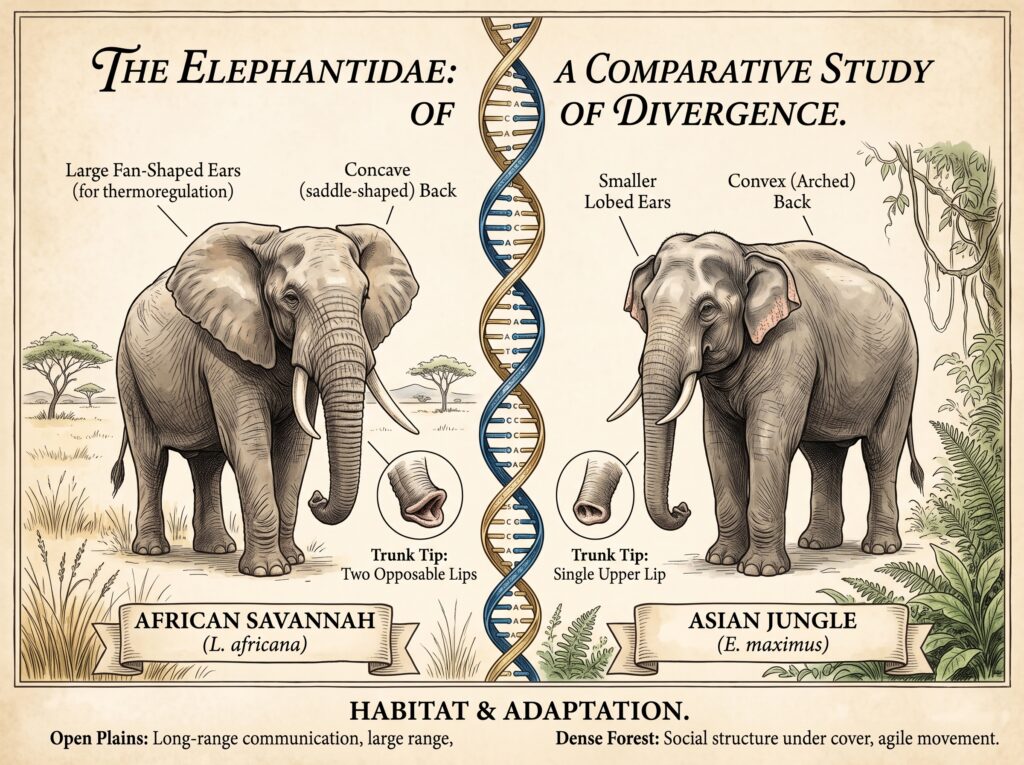
For years, African elephants were surveyed as a single group. That changed with newer DNA-based counting methods, which allowed researchers to separate savanna elephants from forest elephants for the first time since forest elephants were formally recognized as a distinct species in 2021. Instead of estimating populations by counting decaying dung piles, scientists now extract DNA from dung to count individuals directly, producing far more accurate results.
Why “Stable” Doesn’t Mean “Safe”
Population biologists are urging caution before calling this a recovery. Female elephants don’t start breeding until around age 12 or 13 and give birth roughly once every four years, so populations rarely grow faster than 5% a year even under ideal conditions — and once poaching strips out breeding-age adults, the resulting age-structure collapse can take 24 years or more to reverse.The gains are also uneven: areas like northern Botswana have held steady, while southern Tanzania, eastern Zambia, and northern Zimbabwe continue to see steep declines from ivory poaching.
.
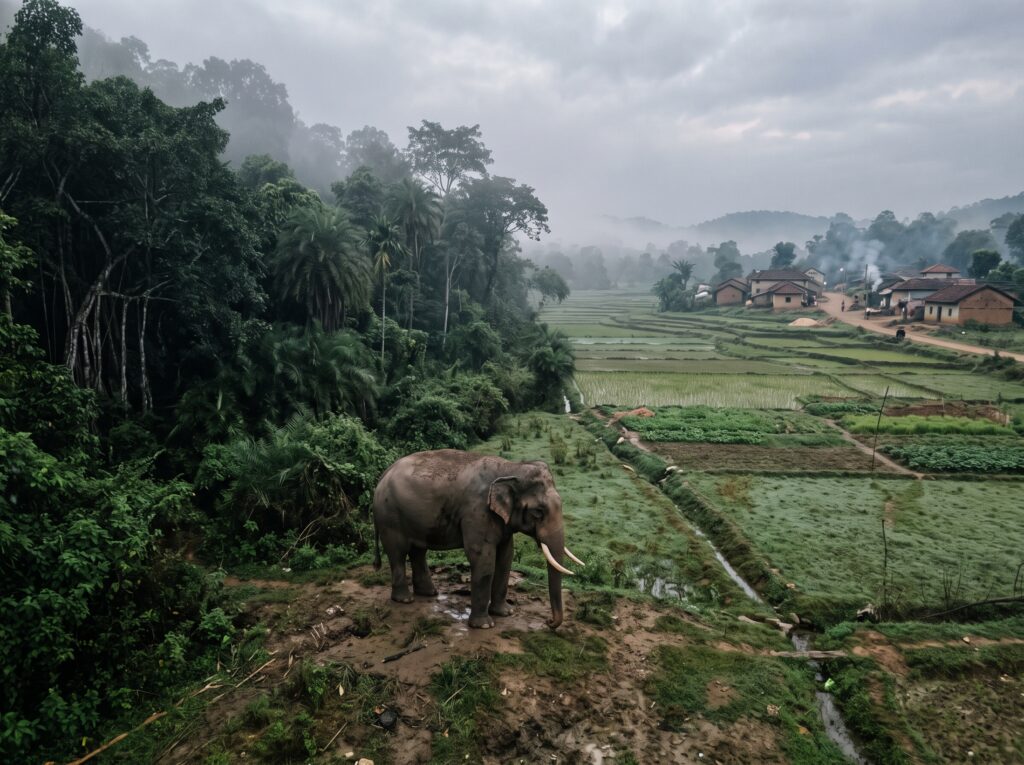
Conservationists point to gaps in forest department response and low public awareness as key drivers of the ongoing losses.
The Conflict Crisis in South Asia
Outside Africa, human-elephant conflict is proving especially deadly. In Bangladesh, a critically endangered population that stood at around 270 wild elephants in 2016 has lost at least 151 individuals to conflict with people since 2017. Recent incidents underline the severity: in April 2026, a sick elephant died in Rangamati district after villagers mutilated its body, and in March a three-month-old calf was found killed in a protected forest, following the death of a captive elephant hit by a train in January.
-

Meet Guistar: The Creative Technologist Powering GUISTAR DIGITAL PRO
. Introduction In a digital landscape crowded with generic templates and cookie-cutter designs, Guistar has…
-
World Cup 2026: Argentina 3-2 Egypt – Lionel Messi and holders come from two down as Enzo Fernandez wins classic
Match report as Argentina recovered from a two-goal deficit to beat Egypt 3-2 in an…
-
Elephants in 2026: A Story of Fragile Progress
Introduction Elephants remain the largest land animals on Earth, and 2026 has brought a mixed…